

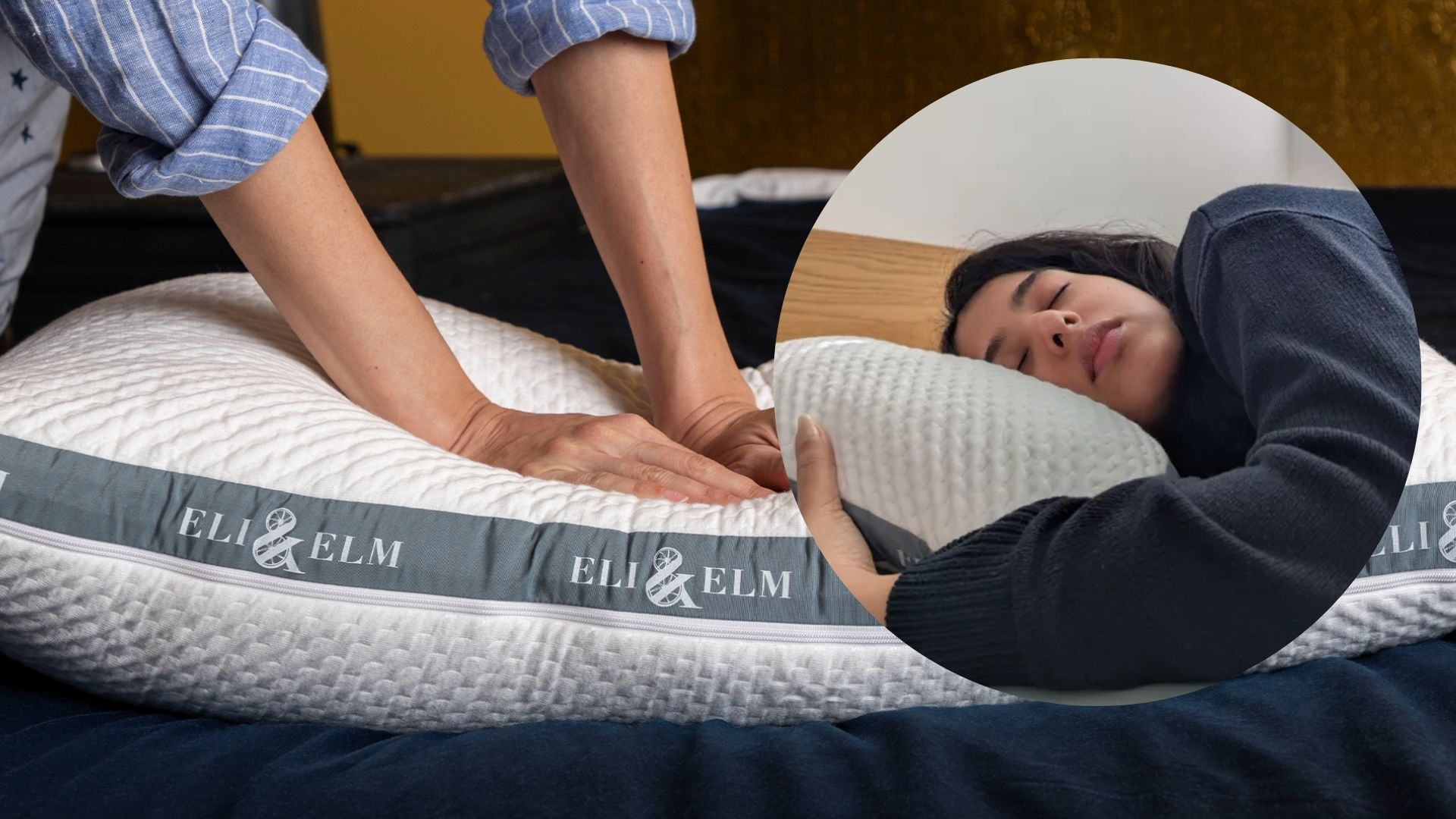
A good night’s sleep is essential for a healthy lifestyle, yet many people struggle with discomfort, neck pain, and restless nights. One of the most overlooked reasons behind poor sleep quality is using the wrong pillow. At SoftGood Pillows, we believe that the right pillow can make a significant difference in how well you sleep and how refreshed you feel each morning.
Why Your Pillow Matters More Than You Think
Your pillow is responsible for supporting your head, neck, and spine while you sleep. Proper support ensures that your body stays aligned, reducing pressure on muscles and joints. A poorly chosen pillow can lead to stiffness, headaches, and long-term posture issues. Investing in the right pillow is not a luxury—it’s a necessity for your overall well-being.
Understanding Different Types of Pillows
There are various types of pillows available, each designed for specific needs:
- Memory Foam Pillows: These adapt to the shape of your head and neck, offering personalized support and pressure relief.
- Orthopedic Pillows: Designed for people with neck or back pain, these help maintain proper spinal alignment.
- Soft Pillows: Ideal for those who prefer a plush and cozy sleeping experience.
- Cooling Pillows: Made with breathable materials to regulate temperature and keep you cool throughout the night.
Choosing the right type depends on your comfort preferences and sleep requirements.
Choosing Based on Your Sleeping Position
Your sleeping position plays a major role in selecting the right pillow:
- Side Sleepers: Need thicker, firmer pillows to keep the neck aligned with the spine.
- Back Sleepers: Benefit from medium-support pillows that maintain the natural curve of the neck.
- Stomach Sleepers: Should use softer, flatter pillows to avoid strain on the neck.
Using the wrong pillow for your sleeping position can lead to discomfort and interrupted sleep.
Importance of Pillow Material and Fabric
The material of your pillow affects both comfort and durability. High-quality materials like memory foam and microfiber provide better support and last longer. Breathable fabrics help regulate temperature, preventing overheating during sleep. Hypoallergenic materials are also important for people with allergies, ensuring a clean and irritation-free sleeping environment.
How Often Should You Replace Your Pillow?
Many people continue using pillows long after they lose their support. Ideally, pillows should be replaced every 1–2 years depending on usage and quality. Signs that you need a new pillow include lumps, loss of shape, or waking up with neck pain.
Tips to Maintain Your Pillow
Proper maintenance can extend the life of your pillow:
- Use pillow protectors
- Wash covers regularly
- Keep pillows dry and clean
- Follow manufacturer care instructions
Maintaining hygiene not only improves durability but also ensures better sleep health.
Benefits of Choosing the Right Pillow
Selecting the right pillow offers multiple benefits:
- Improved sleep quality
- Reduced neck and back pain
- Better posture and spinal alignment
- Increased comfort and relaxation
- Enhanced overall health and energy levels
A small change in your pillow can lead to a big improvement in your daily life.
Your pillow is one of the most important elements of your sleep environment. Choosing the right one can transform your sleep quality and improve your overall health. At SoftGood Pillows, we are dedicated to helping you find the perfect pillow that suits your needs and comfort.
Sleep better, live better — start with the right pillow.